LAURA IRIS EILEEN JANE MARIE SULLIVAN CASSIDY (new site coming 2026!)
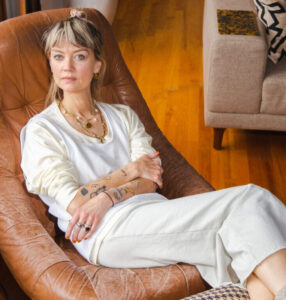
 The best pictures of me depict a deep but agile focus; a certain kind of asking—a certain kind of listening. Across arts and culture reporting, fashion and style journalism, content direction, creative coaching, and now grief and death care, my life so far has been about people and their stories: Wanting their stories, hearing their stories, understanding their stories, documenting their stories, sharing their stories, and helping them further shape and celebrate their stories.
My name is Laura Sullivan Cassidy; I'm a writer/editor/artist, creative coach + grief coach and death care worker living in Seattle, WA. This website is an ongoing document of some (but not all) of the ways in which my work, my personal projects, and my community interactions have been in pursuit of connection, collaboration, and care as a kind of liberatory healing.
If you're looking for a more straightforward CV or work history, you may reference my LinkedIn profile. For more of my day-to-day work/life, you can find me on Instagram. Most of my writing these days is shared on my Substack. You can reach me at laurasullivancassidy @ gmail.com
The best pictures of me depict a deep but agile focus; a certain kind of asking—a certain kind of listening. Across arts and culture reporting, fashion and style journalism, content direction, creative coaching, and now grief and death care, my life so far has been about people and their stories: Wanting their stories, hearing their stories, understanding their stories, documenting their stories, sharing their stories, and helping them further shape and celebrate their stories.
My name is Laura Sullivan Cassidy; I'm a writer/editor/artist, creative coach + grief coach and death care worker living in Seattle, WA. This website is an ongoing document of some (but not all) of the ways in which my work, my personal projects, and my community interactions have been in pursuit of connection, collaboration, and care as a kind of liberatory healing.
If you're looking for a more straightforward CV or work history, you may reference my LinkedIn profile. For more of my day-to-day work/life, you can find me on Instagram. Most of my writing these days is shared on my Substack. You can reach me at laurasullivancassidy @ gmail.com
Recent Interviews and Podcasts, and one Video:
- Immaterial World podcast; here I'm talking about my grief and death care offerings, and my path in general
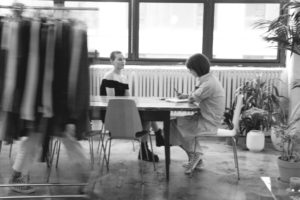
- Prairie Underground's Womxn We Love series (from which this image is taken)
- A profile by Adam Katz Sinding, the fashion photographer, about our long history of collaboration
- You're Going to Die podcast focused on the grief work I offer and what informs it
- A podcast episode I did on behalf of Recompose, focused on environmental death care and how it can impact our experiences of loss
- A more science-y presentation about Recompose on YouTube

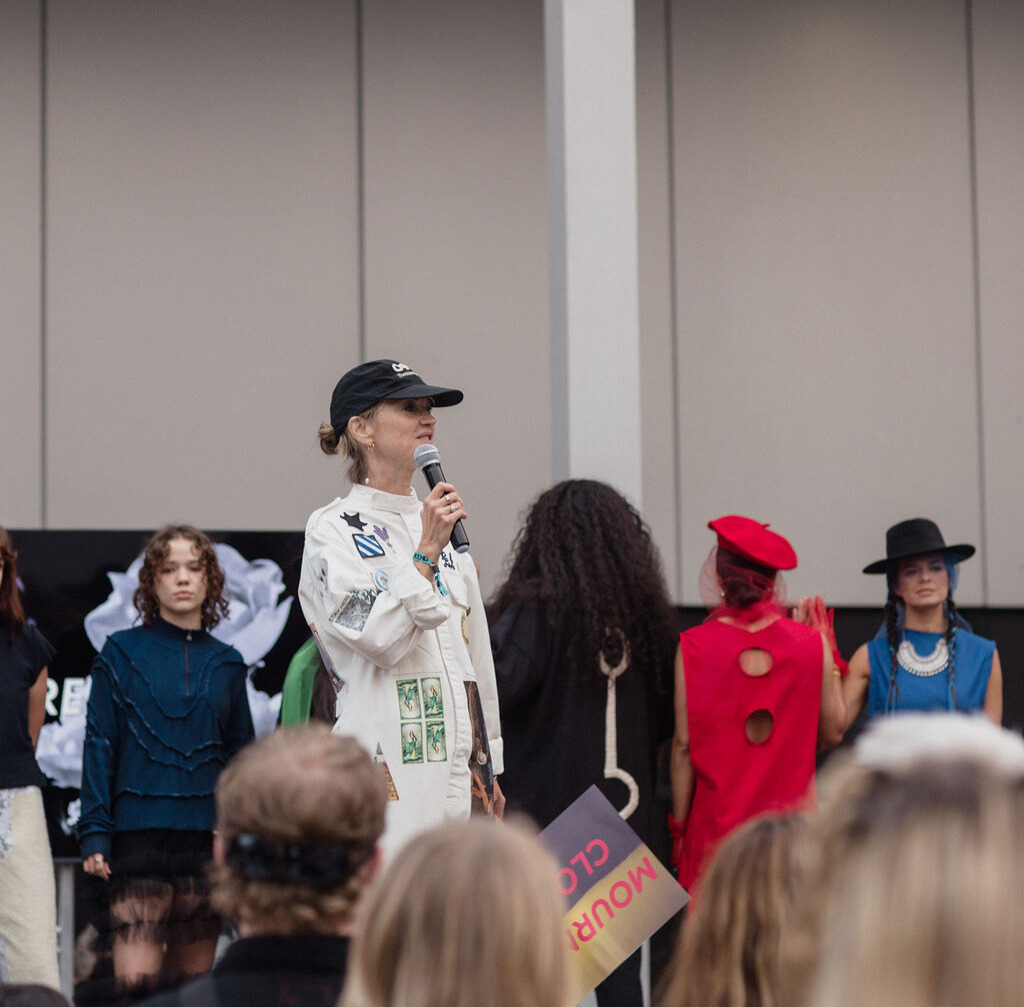
Mourning Clothes was somewhere between a fashion show and a funeral parade. I asked a dozen artists, designers, stylists, and makers to create a collection of looks updating the long history of bereavement dressing. They then dressed anywhere from two to six mourners/models, and together as a group—led by a drummer and an accordion player—we marched from one end of Seattle Center to the other through rock show audiences, into visual art galleries, across pathways of vendor booths and food trucks.
Lately friends have reflected on how Mourning Clothes was a bit before it's time. By October of that year, the assault on Palestine reached never before seen levels of atrocity and grief took a hold of our lives in a whole new way.


